Kenton High Road shop rubbish removal for small businesses
If you run a shop on or near Kenton High Road, rubbish has a habit of building up at the worst possible time. One busy delivery day, a few broken boxes, a bin liner of packaging, some old display items, and suddenly the back room looks like it has swallowed your storage space. Kenton High Road shop rubbish removal for small businesses is really about keeping that daily mess under control without getting in the way of trading, customers, or staff morale.
This guide breaks down what the service involves, how it works, what to watch out for, and how to choose the right waste removal method for a small retail business. It is written for owners, managers, and hands-on teams who want a clean, workable shop space without wasting time or money. Let's face it, if your stockroom is awkward to access or your bins are always overflowing by Thursday afternoon, you need a plan that actually fits shop life.
You will also find practical advice on compliance, a comparison of the main options, a realistic example, and a checklist you can use straight away. No fluff. Just the stuff that helps.
Table of Contents
- Why Kenton High Road shop rubbish removal for small businesses Matters
- How Kenton High Road shop rubbish removal for small businesses Works
- Key Benefits and Practical Advantages
- Who This Is For and When It Makes Sense
- Step-by-Step Guidance
- Expert Tips for Better Results
- Common Mistakes to Avoid
- Tools, Resources and Recommendations
- Law, Compliance, Standards, or Best Practice
- Options, Methods, or Comparison Table
- Case Study or Real-World Example
- Practical Checklist
- Conclusion
- Frequently Asked Questions
Why Kenton High Road shop rubbish removal for small businesses Matters
For a small business, waste is rarely just waste. It is customer impression, floor space, safety, and time all rolled into one. A tidy shop feels calmer. Staff move more easily. Stock is easier to find. And customers do notice, even if they never mention it. That stack of cardboard near the till? It sends a message. Not always a bad one, but usually not the one you want.
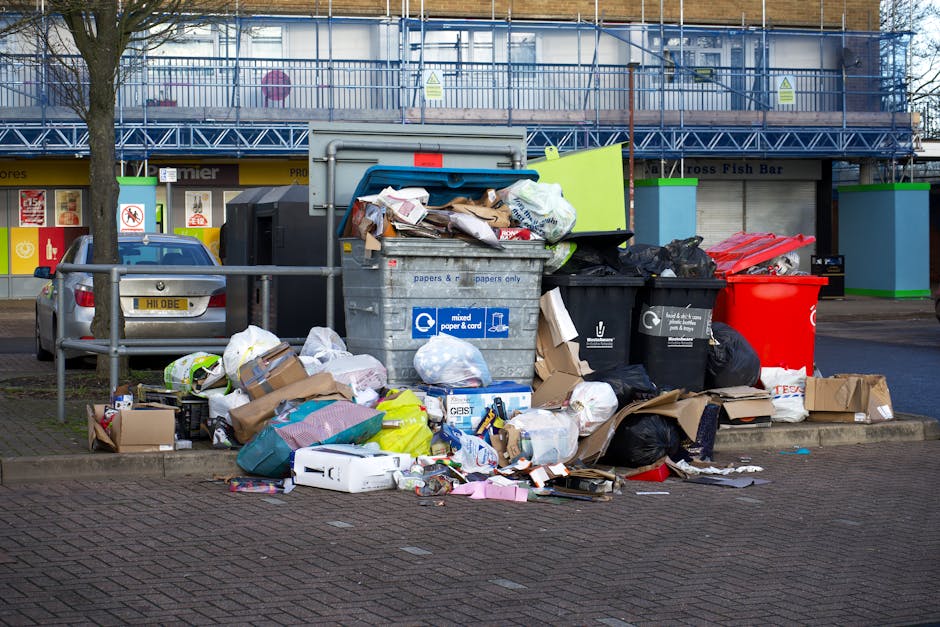
On a busy stretch like Kenton High Road, shops often deal with a mix of packaging, damaged stock, old fittings, seasonal display materials, food packaging, and the odd bulky item that refuses to fit in a standard bin. Small businesses do not usually have the luxury of a back-of-house area built for large volumes of waste, so the system has to be efficient and simple.
There is also the practical reality of timing. Shops tend to generate waste in bursts: after deliveries, during refits, when changing seasonal stock, or after a clearance sale. If you wait too long, rubbish starts stealing usable space. And in retail, space is expensive. Very expensive, truth be told.
Good rubbish removal is not just about "getting rid of stuff". It supports trading continuity, reduces trip hazards, helps avoid complaints from neighbours or landlords, and keeps you from making rushed decisions when the back room is already full.
If your business also needs a broader waste routine, it can help to look at services like commercial skip hire or rubbish removal depending on the type and volume of waste you produce.
How Kenton High Road shop rubbish removal for small businesses Works
At its simplest, the process is straightforward: identify what needs removing, decide how much there is, book the right collection method, and have the waste taken away at an agreed time. The tricky bit is choosing the best method for your shop setup. A tiny convenience store, a barbers, a boutique, and a pharmacy do not all create waste in the same way.
Most small businesses begin with a quick sort. Packaging, cardboard, broken fixtures, general waste, unwanted stock, and specialist items all need slightly different handling. Some waste can be separated for recycling. Some needs secure disposal. Some items, like fridges or certain electricals, need extra care and may require a specific collection route.
Depending on the size of the job, the removal can be handled in a few common ways:
- A one-off rubbish collection for smaller clearouts
- A skip placed nearby for ongoing loading over a few days
- A wait-and-load option if there is no room for a skip outside
- A van-based collection for mixed shop waste and bulky items
For many high street businesses, the real decision is not "Do we need waste removal?" It is "Which option will be least disruptive?" If you have delivery vehicles coming and going, limited pavement space, or worried neighbours, a wait-and-load skip hire arrangement can be a neat solution because the vehicle stays only long enough to load the rubbish, then goes.
If your waste is a little more specialised, such as broken appliances or office-style items from a rear workspace, you may also want to explore fridge and appliance removal or office clearance where relevant.
A sensible provider will usually ask what kind of waste you have, how much there is, whether access is tight, and how quickly you need it gone. That sounds basic, but it saves a lot of back-and-forth later. And less faff is always welcome.
Key Benefits and Practical Advantages
The benefits go beyond simply having an emptier back room. In practice, better rubbish removal can make the whole business run more smoothly.
1. More usable space
When packaging and broken items are removed regularly, storage starts working for you again. Shelves are easier to reach. Staff can move stock without playing an awkward game of squeeze-and-shuffle. If you have ever stacked cardboard in a corner "just for now" and then discovered it three weeks later, you already know the story.
2. Better presentation
Customers may not step into the stockroom, but they do see the front of house. Overflowing waste bins, leaning cardboard towers, and random clutter create a sense of disorder. A clean shop feels more trustworthy. Simple as that.
3. Safer working conditions
Loose rubbish can become a slip, trip, or fire risk. This matters in small premises where aisles are tight and staff often multitask. Fewer obstacles mean fewer awkward accidents, and fewer near-misses that everyone pretends not to have seen.
4. Better recycling potential
Mixed waste is often more expensive and less efficient to deal with than separated waste streams. Cardboard, plastics, metals, and reusable items can often be handled more responsibly when you plan ahead. A modest effort here can make a real difference over time.
5. Less stress for the team
Staff work better in a tidy environment. They also waste less time moving things around or dealing with overflow. That matters in small businesses where everyone wears five hats already.
| Benefit | What it means in practice | Why small shops care |
|---|---|---|
| Space recovery | Clears storage, loading, and back-room areas | More room for stock and daily operations |
| Cleaner appearance | Reduces clutter visible to staff and customers | Supports brand image and trust |
| Safer workspace | Removes obstacles, loose waste, and bulky items | Helps reduce avoidable incidents |
| Faster operations | Staff spend less time managing rubbish | More time for sales and service |
Who This Is For and When It Makes Sense
This service is a good fit for small retailers and local businesses that generate waste in irregular bursts rather than a steady industrial flow. Think convenience shops, gift shops, vape stores, barbers, beauty salons, small grocers, off-licences, and independent clothing shops. In other words, businesses where the waste pile seems to appear overnight after a delivery, a refit, or a clearance push.
It also makes sense if you are dealing with:
- Cardboard from weekly deliveries
- Old shelving, stands, or light fixtures
- Packaging from seasonal stock changes
- Bulky rubbish that will not fit in normal bins
- Waste from a small refurb or shop refresh
- Items that need careful handling or separate disposal
If your business has little outside space, awkward access, or shared rear yards, the usual skip route may not be the best fit. In those cases, a collection service or a controlled load-and-go option can be easier to manage. You do not need to overcomplicate it. You just need a method that matches your reality on the ground.
This also matters if you are trying to avoid waste building up during peak hours. Imagine a Friday afternoon near closing time, customers still coming in, and staff trying to break down boxes in a narrow corridor. Not ideal. Not even close.
Step-by-Step Guidance
Here is a practical way to approach Kenton High Road shop rubbish removal for small businesses without making it a mini-project.
- Identify the waste type. Separate cardboard, general rubbish, fixtures, appliances, and anything potentially hazardous.
- Estimate the volume. Is it a few bags, several cubic yards, or enough for a bulky clearance? A rough estimate is enough to begin with.
- Check access. Measure doorways, note stairs, think about vehicle access, and ask yourself whether a skip can safely sit outside.
- Choose the right service. For ongoing waste, a skip may suit. For same-day clear-outs or tight access, collection or wait-and-load may be better.
- Sort what can be recycled. Cardboard, clean packaging, and some fixtures may be handled separately to reduce mixed waste.
- Prepare the items. Flatten boxes, remove loose contents where appropriate, and keep prohibited items separate.
- Book a time that avoids trading peaks. Early morning or quieter delivery windows often work best for small shops.
- Keep records. Hold onto invoices, waste transfer details, and any collection notes. It saves hassle later.
One small but useful habit: assign a "waste point" in the shop. Just one place. If cardboard and packaging keep drifting to three different corners, the cleanup becomes twice as annoying. People love convenience until the clutter starts breeding, apparently.
Expert Tips for Better Results
A few practical habits make a big difference with retail waste, especially if you are trying to keep things efficient week after week.
- Flatten cardboard immediately. It sounds obvious, but unflattened boxes take up absurd amounts of space.
- Separate clean and dirty waste. Clean cardboard and packaging are easier to recycle than mixed rubbish.
- Plan around deliveries. Book removals after stock deliveries rather than before, so you are not emptying space twice.
- Use a standard checklist for closing time. A five-minute sweep can stop waste building up unnoticed.
- Keep bulky items visible. If a broken shelf or display unit is tucked away in a back room, it gets forgotten fast.
- Ask about access in advance. Tight high-street loading bays and shared entrances can change the best option completely.
In our experience, the businesses that handle waste best are not necessarily the ones with the biggest budgets. They are the ones with a simple routine. Nothing glamorous. Just consistent.
Another tip: if you are planning a refit, build waste removal into the project from the start. That way, you are not staring at a pile of old display fittings at 4 p.m. on a Wednesday wondering who thought this was a good idea.
Common Mistakes to Avoid
Small businesses often get caught out by the same avoidable issues. Most are simple, but they can create unnecessary cost or delay.
- Underestimating volume. One pile always becomes two. It happens more than people admit.
- Mixing different waste types. Doing this can reduce recycling options and make the load harder to handle.
- Leaving it too late. Rubbish is much easier to handle before it blocks access or storage.
- Ignoring access constraints. If the vehicle cannot get close, the job may take longer or need a different method.
- Forgetting about restricted items. Appliances, confidential material, and anything hazardous need special thought.
- Not checking what the provider accepts. A "general rubbish" job is not the same as a specialist clearance.
One of the biggest mistakes is assuming the cheapest option will be the simplest. Sometimes it is. Sometimes it is the option with the hidden frustration tax attached. Not exactly a formal charge, but you know the feeling.
Tools, Resources and Recommendations
You do not need a complex setup to manage shop waste better. A few straightforward tools and habits go a long way.
- Cardboard cutter or box knife: Useful for flattening packaging safely and quickly.
- Heavy-duty bin bags: Better for mixed light waste, but do not overfill them.
- Stacking crates or boxes: Handy for separating recyclables from general rubbish.
- Labelled bins: Helps staff sort waste consistently, even on busy days.
- Tape measure: Simple, but useful when judging access or estimating how much waste you have.
- Basic waste log: A notebook or spreadsheet can help you spot patterns and plan collections more efficiently.
If your shop generates mixed business waste and you want a more structured setup, a broader service such as skip hire may be worth considering for regular clearouts. For tighter spaces or shorter collection windows, man and van style collections can sometimes be more practical for smaller loads.
For businesses that care about reuse and recycling targets, waste recycling services can support a more responsible routine. And if your rubbish includes awkward bulky items like shop fittings, fixed displays, or broken stockroom furniture, a dedicated clearance option can save a lot of lifting and head-scratching.
Law, Compliance, Standards, or Best Practice
Waste handling for businesses in the UK should be treated carefully. You do not need to become a legal expert, but you do need sensible processes. Small shops are still expected to manage waste properly, use an appropriate carrier, and avoid putting restricted materials into the wrong stream.
Best practice usually includes:
- Using a responsible, traceable waste collection arrangement
- Separating recyclables where reasonably possible
- Storing waste safely and securely before collection
- Keeping paperwork or collection records where needed
- Handling hazardous or specialist waste separately
Confidential documents, for example, should not just be thrown into a mixed bag if they contain sensitive business or customer information. If that applies to your shop or back office, consider confidential shredding rather than risking a messy shortcut.
Likewise, anything hazardous should be treated with extra caution. Even a small amount can create a bigger issue if it is mixed in with general rubbish. The same goes for refrigeration units, certain electrical items, and any waste that may leak, smell, or pose a handling risk.
From a day-to-day business point of view, the safest habit is simple: know what you have, keep it separated, and make sure the chosen removal method is suitable for that waste type. That alone avoids a lot of headaches.
Options, Methods, or Comparison Table
Different shops need different approaches. The right answer depends on access, volume, urgency, and the kind of waste involved. Here is a practical comparison.
| Method | Best for | Pros | Trade-offs |
|---|---|---|---|
| Skip hire | Ongoing waste, refurbishments, larger clearouts | Flexible loading, good for mixed volumes | Needs space and may require permit planning |
| Wait-and-load | Tight streets, quick collections, limited outside space | No skip left on-site, efficient for fast jobs | Requires the waste to be ready when the vehicle arrives |
| Man and van | Smaller mixed clearances or awkward bulky items | Flexible, often convenient for small loads | Can be less suitable for very large volumes |
| Specialist item removal | Appliances, confidential waste, specific problem items | Handled more appropriately for the material type | May need separate booking or additional steps |
If you are unsure, a practical rule of thumb is this: the more awkward your access, the more likely you will prefer a quick collection method over a skip sitting outside all day. On a busy high street, that difference matters.
For jobs with mixed construction debris or shop refit waste, builders waste removal or construction waste clearance may also be relevant if the project includes heavier strip-out materials.
Case Study or Real-World Example
Imagine a small independent shop on Kenton High Road preparing for a seasonal refresh. The owner has old promotional stands to remove, several flattened but bulky boxes, a damaged storage shelf, and a pile of packaging from new stock deliveries. Nothing dramatic. Just enough to make the back room feel cramped.
At first, the team tries to "live with it" for another week. That lasts about two days. The shelf blocks part of the stock access, cardboard starts leaning near the staff area, and one delivery driver quietly edges around the pile with the expression of a man regretting his career choices.
Instead of trying to solve it with random bin bags, the owner estimates the load, checks access, and books a removal method that fits the site. The waste is sorted so the cardboard and packaging can be handled efficiently, while the heavier broken items are removed without staff lifting them repeatedly. The result is not just a cleaner back room. The shop feels calmer, the team moves faster, and the owner can actually see the floor again. Always a good sign.
The real win here is not the rubbish being gone. It is the reduced friction. No more clutter blockages, fewer delays during replenishment, and less annoyance every single day. That is what good shop waste management gives you.
Practical Checklist
Use this before booking Kenton High Road shop rubbish removal for small businesses.
- Have you identified the main waste types?
- Do you know roughly how much needs removing?
- Have you checked whether any items need special handling?
- Is access to the front, rear, or loading area clear?
- Have you chosen a time that avoids your busiest trading period?
- Have you flattened cardboard and separated recyclable material?
- Do you know whether a skip, wait-and-load, or van collection suits you best?
- Have you kept any necessary records or paperwork?
- Are staff clear on where waste should be placed before collection?
- Have you planned for the next week so the same pile does not come straight back?
If you can tick most of those boxes, you are in good shape. If not, do not worry. Most small businesses are one busy week away from a rubbish pile anyway.
Conclusion
Kenton High Road shop rubbish removal for small businesses is really about keeping your shop workable, tidy, and safe without creating more admin than the waste itself. The best setup is usually the one that fits your trading pattern, your access, and your space. For some businesses that will mean a skip. For others it will mean a fast collection, a wait-and-load arrangement, or a targeted clearance for awkward items.
The key is not to let waste become invisible until it has already started causing problems. Sort it, plan it, and remove it on a sensible schedule. That one habit can make the whole place feel lighter, cleaner, and far easier to run. And that matters more than people think.
If you are reviewing your shop's waste routine now, this is a very good moment to make it simpler.
Get a free quote today and see how much you can save.
Frequently Asked Questions
What counts as shop rubbish for a small business?
Shop rubbish usually includes cardboard, packaging, damaged stock, display materials, old fixtures, general waste, and sometimes bulky items from a refit or clearance. If your shop produces mixed waste from deliveries and daily trade, that all falls into the same general planning conversation.
Is skip hire always the best option for a small shop?
No, not always. Skip hire is useful for bigger or ongoing loads, but a small shop may be better served by a collection-based method if space is tight or access is awkward. The best option depends on volume, timing, and whether a skip can sit safely outside.
What if my shop is on a busy road with limited access?
That is where alternatives like wait-and-load or van-based removal can be very handy. They reduce the time waste sits outside and can be easier to manage when parking or pavement space is limited. In practice, that can save a lot of stress.
Can I mix cardboard with general rubbish?
Sometimes you can, but it is usually better not to if you want efficient recycling and cleaner handling. Clean cardboard is often easier to separate and manage on its own. Once it is mixed with food waste or other dirty rubbish, the options become more limited.
Do small businesses need to keep waste records?
It is a sensible best practice to keep invoices, collection notes, or waste transfer information where relevant. The exact records you need can depend on the waste type and the arrangement you use, but having a paper trail is always helpful. Nobody enjoys searching through old emails later on.
What happens to bulky shop fittings or old shelves?
Bulky items are normally taken as part of a general clearance if they are suitable for that route, but some items may need separate handling depending on material type and condition. Wooden display units, shelving, and broken shop furniture are common examples of items removed during a retail clearance.
How often should a small shop arrange rubbish removal?
That depends on trading volume. A shop with regular deliveries may need weekly or fortnightly support, while a seasonal retailer might only need occasional clearouts. The best schedule is the one that stops waste from building up to the point where it affects customers or staff.
Are appliances like fridges a problem?
They can be, yes. Fridges and similar appliances often need specific handling because of their size and construction. If your shop is replacing a fridge, chiller, or other appliance, it is better to arrange a removal service that deals with those items properly rather than leaving them to become an afterthought.
Can rubbish removal help during a shop refit?
Absolutely. Refits and refreshes create a strange mix of waste very quickly: packaging, old fittings, broken panels, fixtures, and the occasional item nobody remembers ordering in the first place. A good removal plan keeps the project moving and stops the shop from turning into a mini building site.
What is the safest way to prepare waste before collection?
Keep materials separated where possible, flatten cardboard, avoid overfilling bags, and make sure any special items are clearly identified. Also, leave walkways clear. Safety is not just about the collection day; it is about everything leading up to it.
How do I know whether I need a permit for a skip?
If a skip needs to be placed on public land or certain shared spaces, a permit may be required. The rules and process depend on the location and setup, so it is best to check before booking. If the skip can be placed entirely on private property, the situation may be simpler.
What should I ask before booking a rubbish removal service?
Ask what waste types are accepted, how access affects the job, whether recycling is included, how quickly collection can happen, and what records you will receive. A few direct questions upfront can prevent a lot of confusion later. It sounds basic, but basic is good.
Where can I learn more about disposal options for my business?
You can compare broader service options such as commercial skip hire, same-day skip hire, and what can go in a skip if you are working out what fits your waste type best. That usually gives a clearer picture before you book.