
Health and Safety Policy for Skip Hire Kenton
This Health and Safety Policy sets out the commitment of Skip Hire Kenton to provide safe and healthy working conditions across our skip hire and rubbish removal operations. It applies to all staff, contractors and visitors involved in skip delivery, collection, rubbish company duties and waste management services within our service area. The policy is intended to ensure legal compliance and to promote continuous improvement in safety performance, with clear roles, responsibilities and measurable objectives.Policy scope and objectives
Our objectives are to: prevent work‑related injuries and ill health, control risks associated with vehicle movements, manual handling and hazardous loads, and ensure safe segregation and disposal of waste. This policy covers skip hire activities, skip loading and unloading, rubbish clearance, site set‑up, vehicle maintenance and interaction with client sites. We emphasise risk reduction through planning, training and appropriate use of personal protective equipment.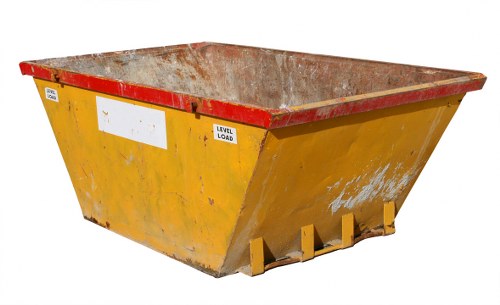
Legal compliance and standards
Skip Hire Kenton will comply with all applicable health, safety and environmental legislation and recognised industry standards relevant to skip hire companies and rubbish collection contractors. We will adopt a risk‑based approach to operations, undertake routine inspections and maintain records to demonstrate due diligence. All operations will be assessed for potential environmental impacts and waste management obligations will be respected at every stage.Responsibilities and duties
Management is responsible for implementing this policy, allocating resources and ensuring staff competency. Supervisors and drivers are required to conduct site assessments, enforce safe systems of work and report hazards promptly. Employees must follow safe working procedures, use provided PPE and report defects or unsafe conditions. Contractors engaged for rubbish removal or site support must demonstrate equivalent safety systems before commencing work.
Risk assessment and safe systems
All routine activities, including skip placement, loading, vehicle movements and waste segregation, will be subject to documented risk assessments. Control measures will include traffic management plans, exclusion zones during skip loading, clear loading instructions to customers, and safe manual handling techniques. High‑risk tasks such as handling hazardous materials, sharps or asbestos will be controlled by specialist procedures and restriction of access.
- PPE and equipment: Hard hats, hi‑vis clothing, gloves, safety boots and eye protection are mandatory where required.
- Vehicle safety: Daily vehicle checks, secure load practices and driver competence assessments.
- Training: Periodic competence training for drivers, loaders and site supervisors.
- Waste segregation: Clear labelling and containment to prevent cross‑contamination and reduce manual handling risks.

Incident reporting and emergency procedures
All incidents, near misses and dangerous occurrences must be reported immediately and recorded. We will investigate to identify root causes and apply corrective actions to prevent recurrence. Emergency procedures, including spill response, fire control and first aid arrangements, are established and communicated to personnel. Staff are trained to follow emergency assembly points and to cooperate with emergency services where required.
Monitoring, review and continual improvement
Performance is monitored through regular site inspections, audits and safety meetings. Key performance indicators include incident rates, audit findings closed out, training completion and compliance with maintenance schedules. This policy will be reviewed annually or after significant change, incident or regulatory update to ensure it remains effective and aligned with best practices for skip hire and rubbish removal operations.
Implementation, training and workforce involvement
The successful implementation of this policy depends on active participation from all employees and associated contractors. We commit to providing adequate training, supervision and communication so that everyone understands their role. Staff involvement in safety meetings and toolbox talks is encouraged to capture practical insights from the front line of waste management work. Strong leadership and clear accountability underpin the safety culture we seek to maintain.
Contractor and client responsibilities
When operating on client premises or coordinating with third‑party contractors, Skip Hire Kenton will ensure that expectations for safety are clearly defined in contracts and job briefs. Clients are asked to disclose site hazards and any restrictions that might affect skip placement or rubbish collection. Contractors must comply with our safety standards and provide evidence of training and suitable insurances before work commences.
Handling hazardous wastes and controlled materials
Where hazardous or controlled wastes are suspected, operations will cease until materials are correctly identified and managed. We will segregate and label hazardous items, use authorised carriers and maintain appropriate documentation. For high‑risk contaminants, specialist removal and disposal contractors will be engaged and tasks will be performed under strict supervision.